
What is an EV and How Does It Work? A Beginner's Guide | YourEVFinder
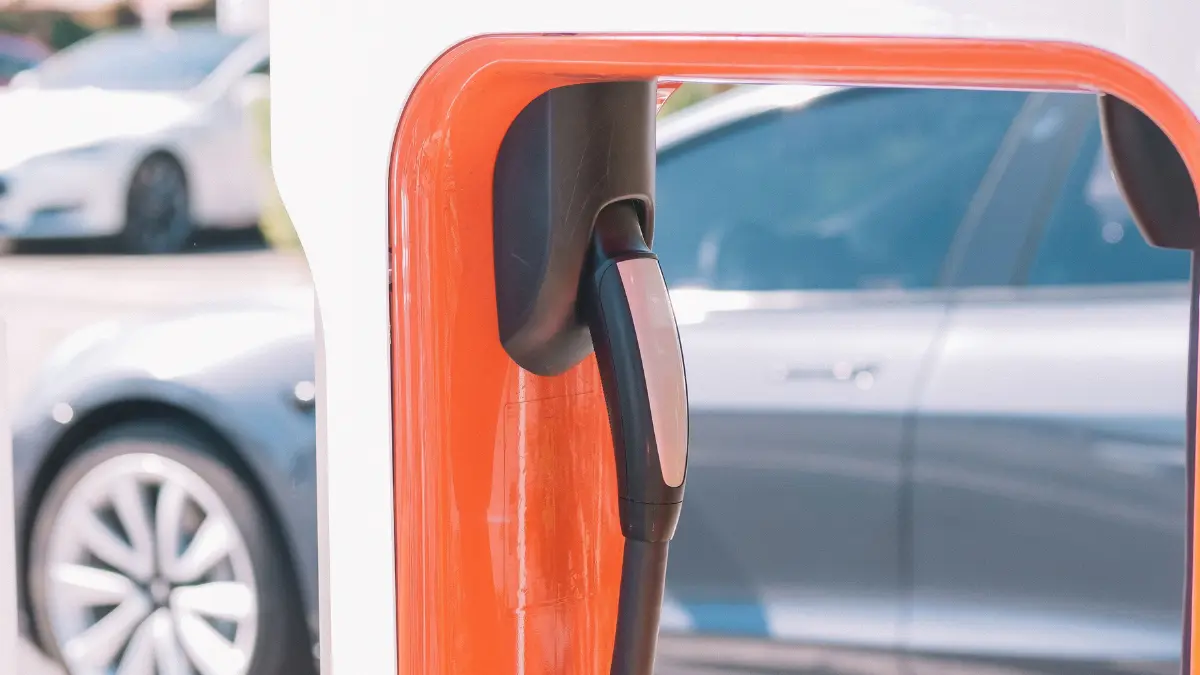
If you have been looking into cars recently, you have likely heard a lot about EVs. But exactly what is an EV, and how do electric cars work compared to traditional gas vehicles? Unlike petrol or diesel cars that rely on internal combustion engines, electric vehicles (EVs) run entirely on electricity stored in large battery packs.
1. What is an EV?
An EV stands for Electric Vehicle. Instead of burning fossil fuels, EVs use one or more electric motors powered by rechargeable battery packs. They produce zero tailpipe emissions, making them a cleaner and more sustainable choice for daily transportation.
2. The Core Components
Every electric vehicle relies on three main components to move:
- The Battery Pack: Stores electrical energy in direct current (DC) format. Lithium-ion batteries are the industry standard due to their high energy storage capacity.
- The Inverter: Takes DC power from the battery and converts it into alternating current (AC) for the electric motor, while also controlling motor speed.
- The Electric Motor: Uses electrical energy to turn the wheels, providing instant torque for smooth, immediate acceleration.
3. How Regenerative Braking Works
One of the coolest features of an EV is regenerative braking. When you take your foot off the accelerator, the electric motor acts as a generator. It slows the car down while capturing kinetic energy and feeding it back into the battery to extend your driving range.
Compare Your Options
Ready to see how different electric models stack up against one another? Head over to YourEVFinder to explore specs, compare models, and find the perfect electric vehicle for your daily commute.