
EV vs Hybrid vs Plug-In Hybrid Buyer's Guide
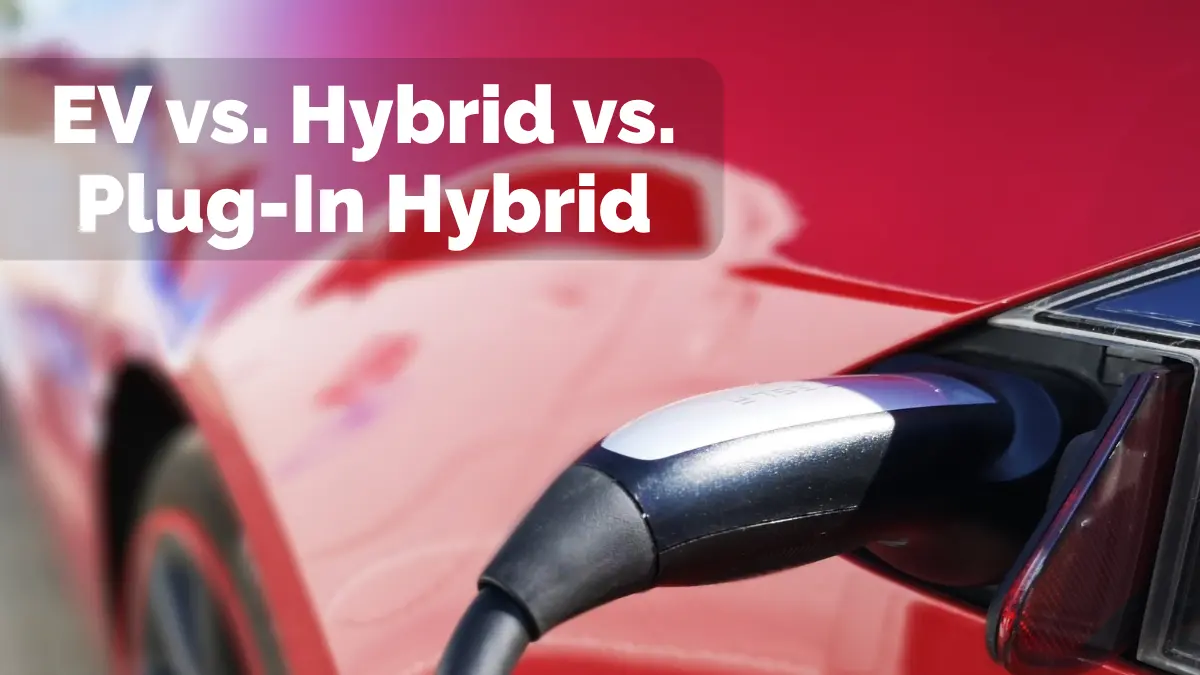
The modern automotive marketplace offers a dizzying array of electrified powertrains. For buyers stepping away from traditional petrol or diesel cars, distinguishing between Battery Electric Vehicles (BEVs), Hybrid Electric Vehicles (HEVs), and Plug-In Hybrid Electric Vehicles (PHEVs) is essential. Each technology serves distinct driving profiles, budget considerations, and lifestyle requirements.
1. Battery Electric Vehicles (BEVs): Pure Electric Driving
Battery Electric Vehicles, commonly referred to simply as EVs, run 100% on electricity stored in a large onboard battery pack. They feature zero internal combustion components, no fuel tanks, and produce zero tailpipe emissions.
- Pros: Maximum running cost savings, zero emissions, instantaneous torque, minimal maintenance, and the convenience of waking up to a "full tank" every morning via home charging.
- Cons: Dependent on robust charging infrastructure for long-distance travel, higher upfront purchase price, and range anxiety for uninitiated drivers.
- Ideal For: Homeowners with garage or driveway access who can install a home charger and whose daily commutes fall well within the vehicle's battery range.
2. Hybrid Electric Vehicles (HEVs): Seamless Efficiency Without Plugs
Traditional hybrids combine a conventional petrol engine with a small electric motor and compact battery pack. Unlike BEVs, HEVs cannot be plugged into an external power source. Instead, the battery is replenished entirely through regenerative braking and excess power from the petrol engine.
- Pros: No charging infrastructure required, excellent urban fuel economy, seamless transition between petrol and electric power, and familiar refueling habits.
- Cons: Still reliant on fossil fuels, retains traditional engine maintenance requirements (oil changes, exhaust maintenance), and offers limited pure-electric driving range (typically under 2 kilometers).
- Ideal For: Urban apartment dwellers or drivers without home charging access who want superior city fuel efficiency without altering their refueling habits.
3. Plug-In Hybrid Electric Vehicles (PHEVs): The Best of Both Worlds
Plug-In Hybrids bridge the gap between traditional hybrids and full EVs. They feature a significantly larger battery pack and electric motor than HEVs, paired with a fully functional petrol engine. PHEVs can be plugged into wall chargers to recharge the battery.
- Pros: Ability to drive 40 to 80 kilometers on pure electricity for daily commutes, with the petrol engine providing unlimited range for long-distance road trips.
- Cons: Mechanical complexity of maintaining both an internal combustion engine and an electric powertrain; smaller trunk space due to accommodating dual systems.
- Ideal For: Drivers with moderate daily commutes who want zero-emission local driving but frequently undertake long-distance journeys without public charging networks.